
What Does Winterizing Your Car Actually Mean?
· Bullitt County Auto & RV Sales Team
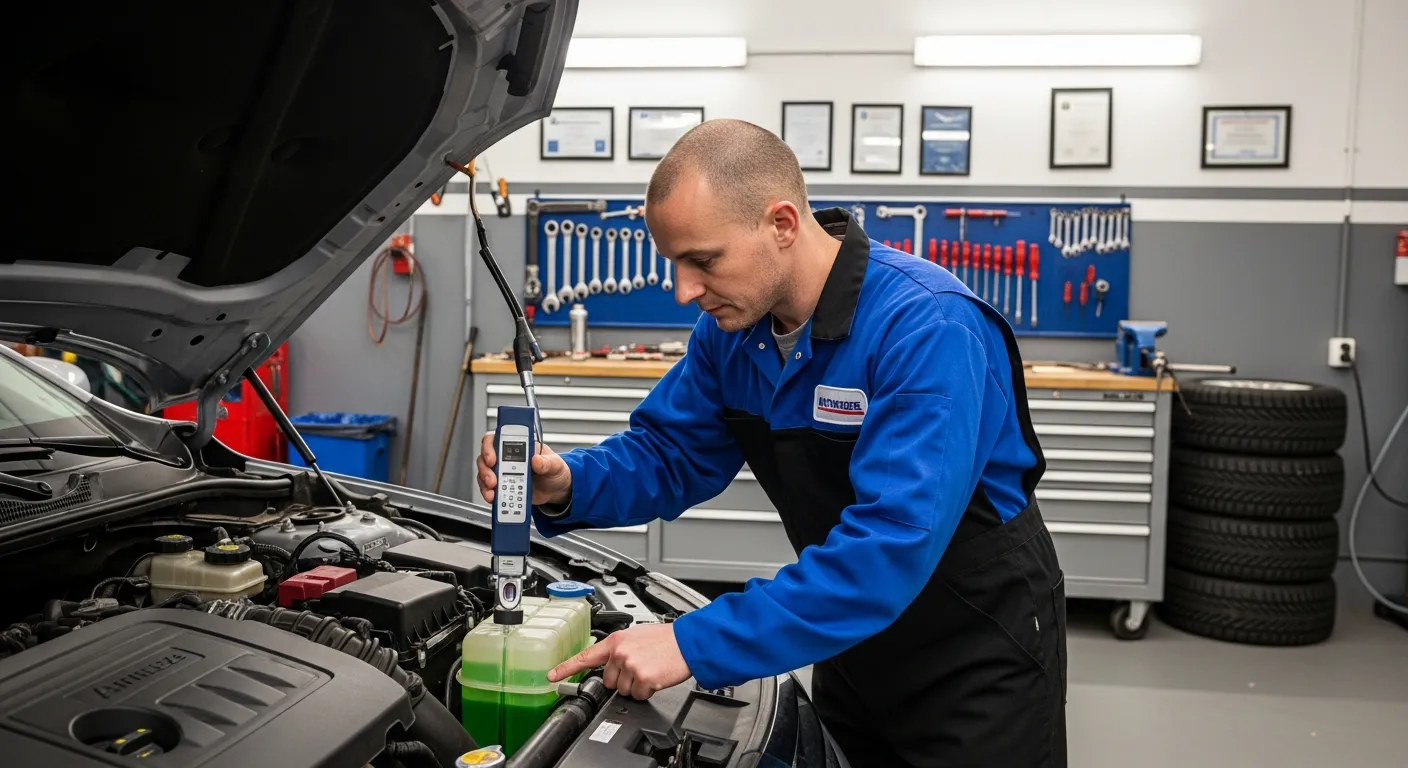
Every fall, the advice rolls in: "Make sure to winterize your car." But what does winterizing actually mean in practical terms? For drivers in Shepherdsville and across Kentucky, it means taking specific steps to prepare your vehicle for cold temperatures, road salt, ice, and the increased demands that winter places on every major system.
Regular winterization prevents costly breakdowns, improves safety, and ensures your vehicle is ready to handle whatever the season brings.
Complete Winterizing Checklist
- Check all fluid levels: Engine oil, coolant, brake fluid, power steering fluid, and windshield washer fluid should all be at proper levels. Use washer fluid rated for freezing temperatures.
- Test your battery: Cold weather reduces battery capacity significantly. Have your battery tested and replace it if it is weak or more than four years old. Clean any corrosion from the terminals.
- Inspect your tires: Check tread depth and tire pressure. cold air reduces tire pressure by about 1 PSI for every 10°F drop in temperature. Consider switching to winter tires if you regularly drive in snow or ice.
- Switch to synthetic oil: Synthetic oil flows better at low temperatures than conventional oil, providing faster lubrication when you start your engine on cold mornings.
- Test your heater and defroster: Make sure both are working properly before you need them. A malfunctioning defroster is a safety hazard.
- Check your headlights and taillights: Winter means shorter days and more driving in darkness. Replace dim or burned-out bulbs.
- Replace worn wiper blades: Install fresh blades, or winter-specific blades. That can handle ice and heavy precipitation.
- Inspect belts and hoses: Cold weather can cause worn belts and hoses to crack or fail. Have them inspected and replace any that show signs of wear.
- Prepare a winter emergency kit: Include a blanket, flashlight, extra batteries, ice scraper, small shovel, jumper cables, non-perishable snacks, and water.
Why Winterizing Matters in Kentucky
While Kentucky winters are generally milder than the northern states, they bring unpredictable weather patterns. ice storms, sudden cold snaps, and enough snow to make roads hazardous. Road salt used on I-65 and local highways accelerates corrosion, and cold mornings put extra strain on batteries and engines.
Taking an hour to winterize your vehicle in October or November can save you from an expensive breakdown or a dangerous situation in January.
Frequently Asked Questions
When should I winterize my car in Kentucky?
Late October to early November is ideal. This gives you time to address any issues before the first significant cold snap.
Do I need winter tires in Kentucky?
Winter tires are not required by law in Kentucky, but they provide significantly better traction in snow and ice compared to all-season tires. If you live in an area with hilly terrain or frequently drive in winter conditions, winter tires are a worthwhile investment.
How much does it cost to winterize a car?
Basic winterization. fluid top-offs, battery test, tire pressure check, and wiper blade replacement. typically costs $50 to $150 at a local shop. More extensive work like an oil change, new tires, or battery replacement will add to the cost but prevents far more expensive problems.
Can I winterize my car myself?
Many winterization tasks. checking fluid levels, testing tire pressure, replacing wiper blades, and assembling an emergency kit. can be done at home. Battery testing and more involved inspections are best handled by a mechanic.